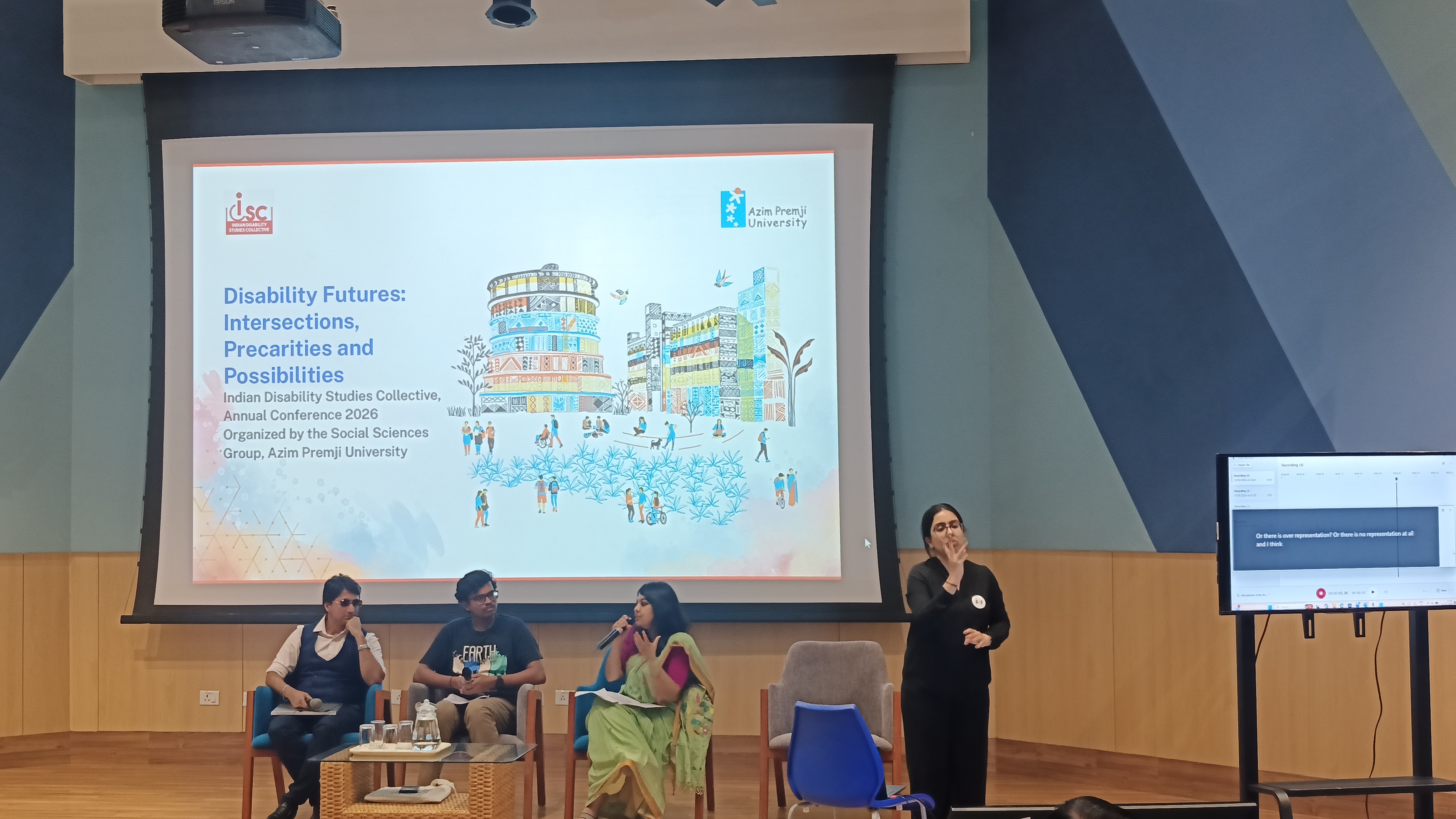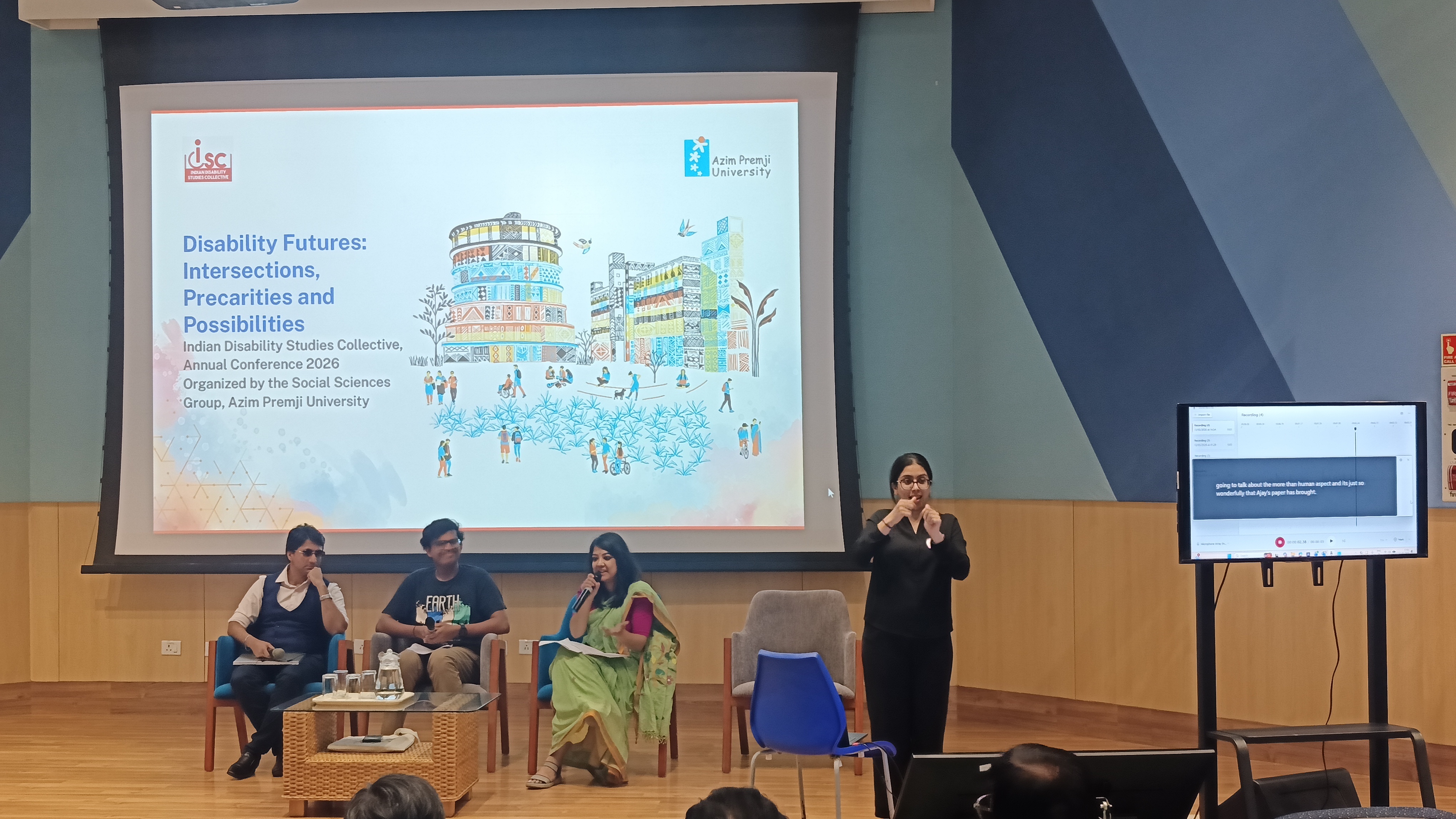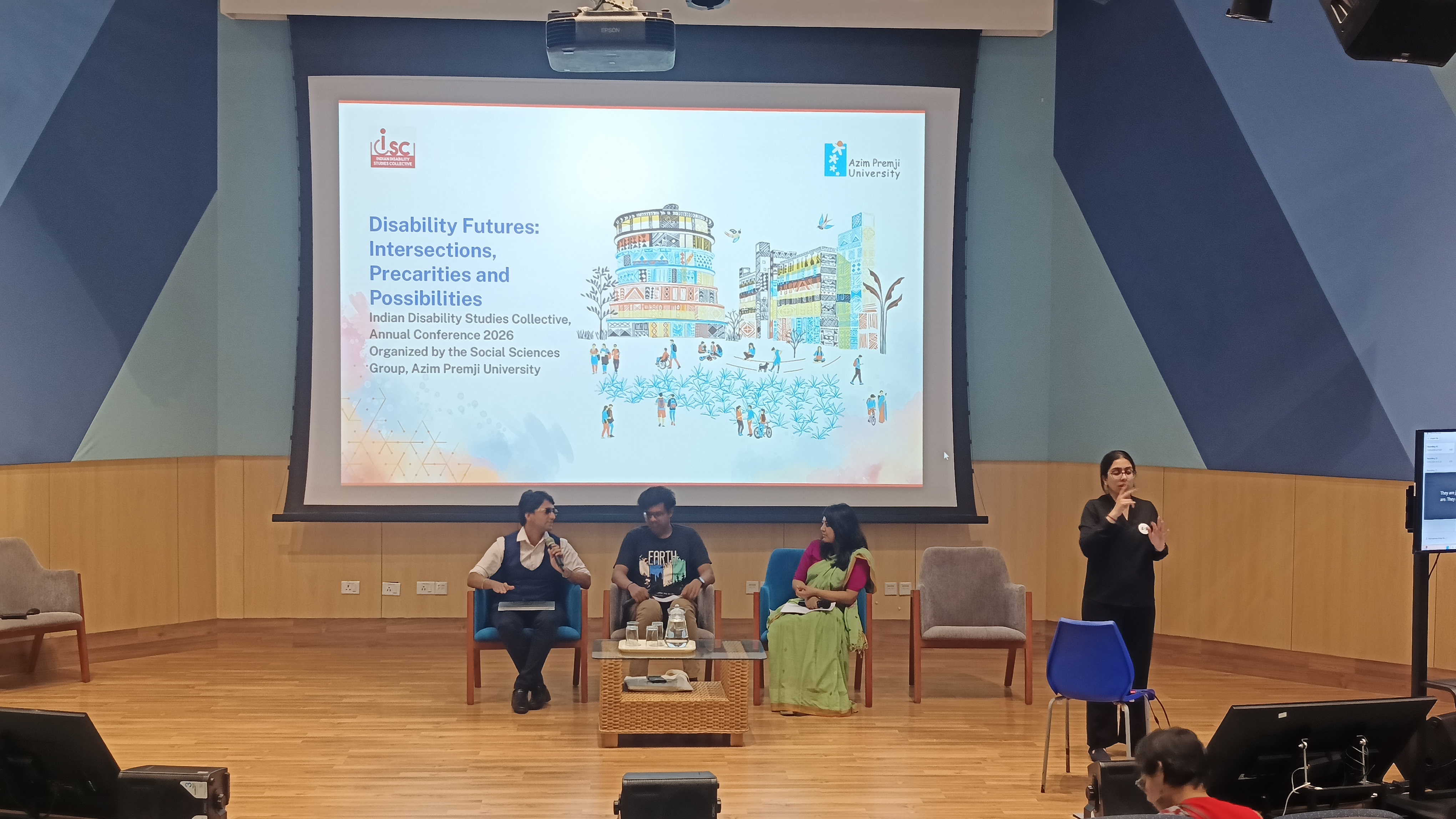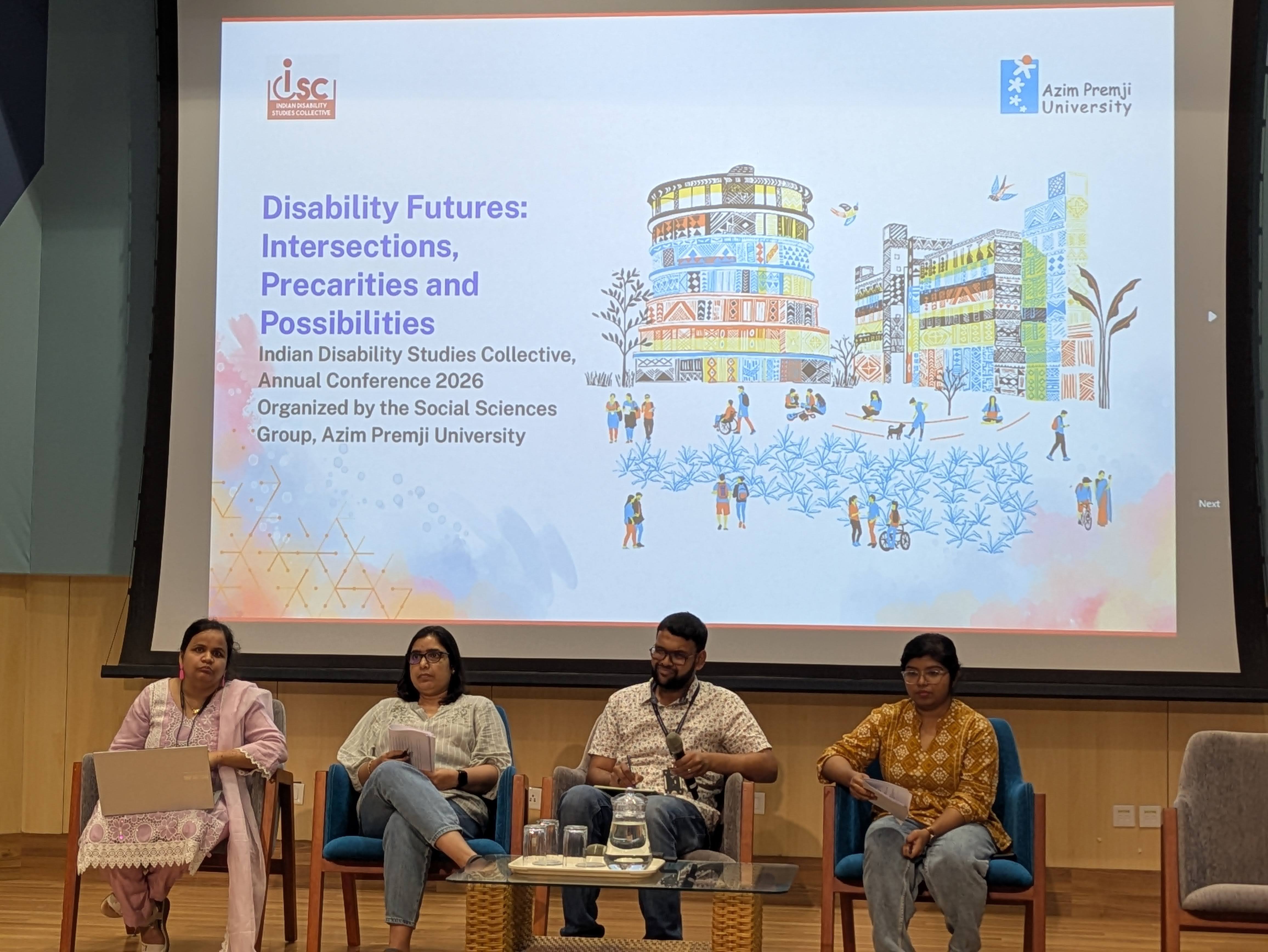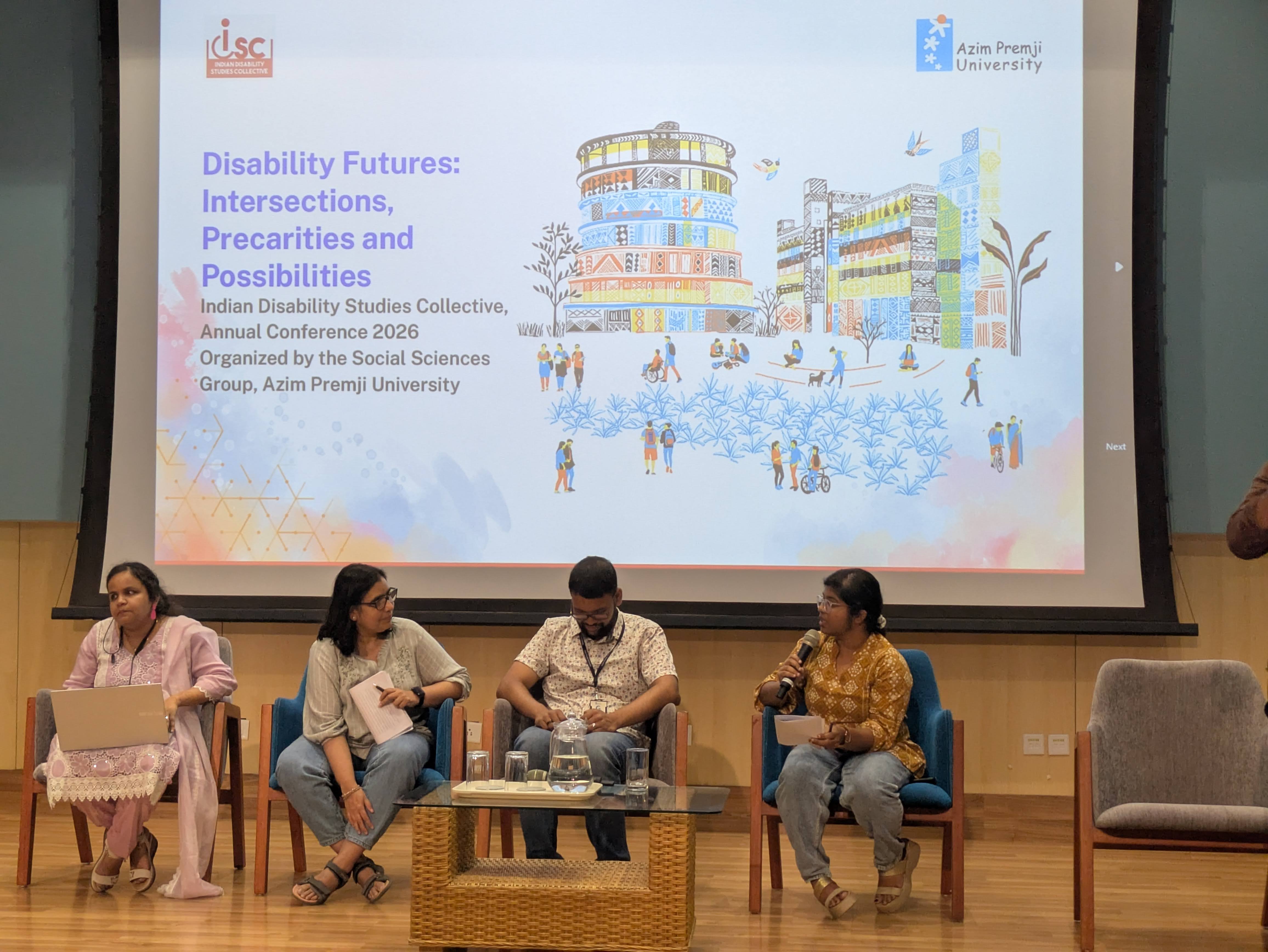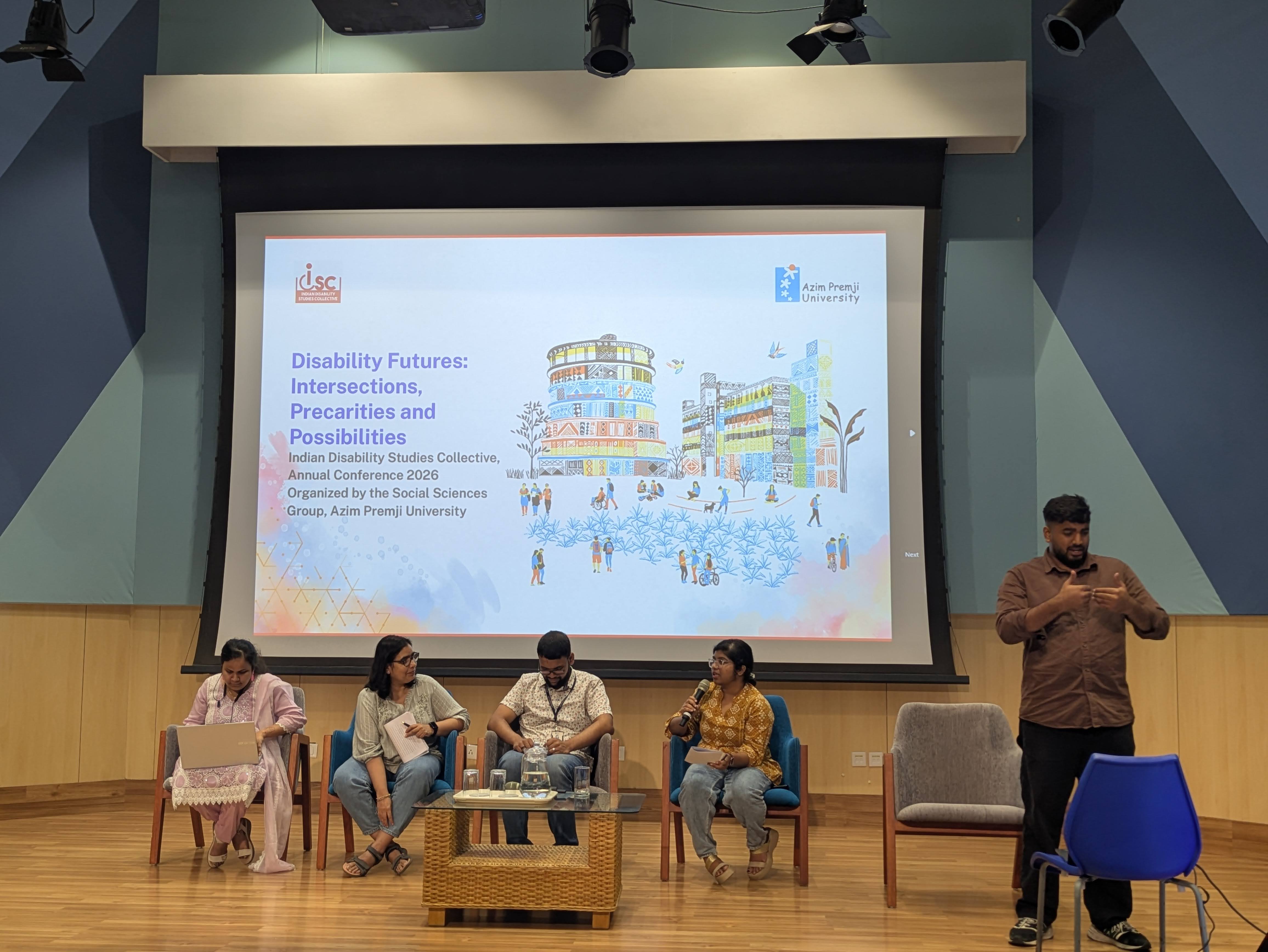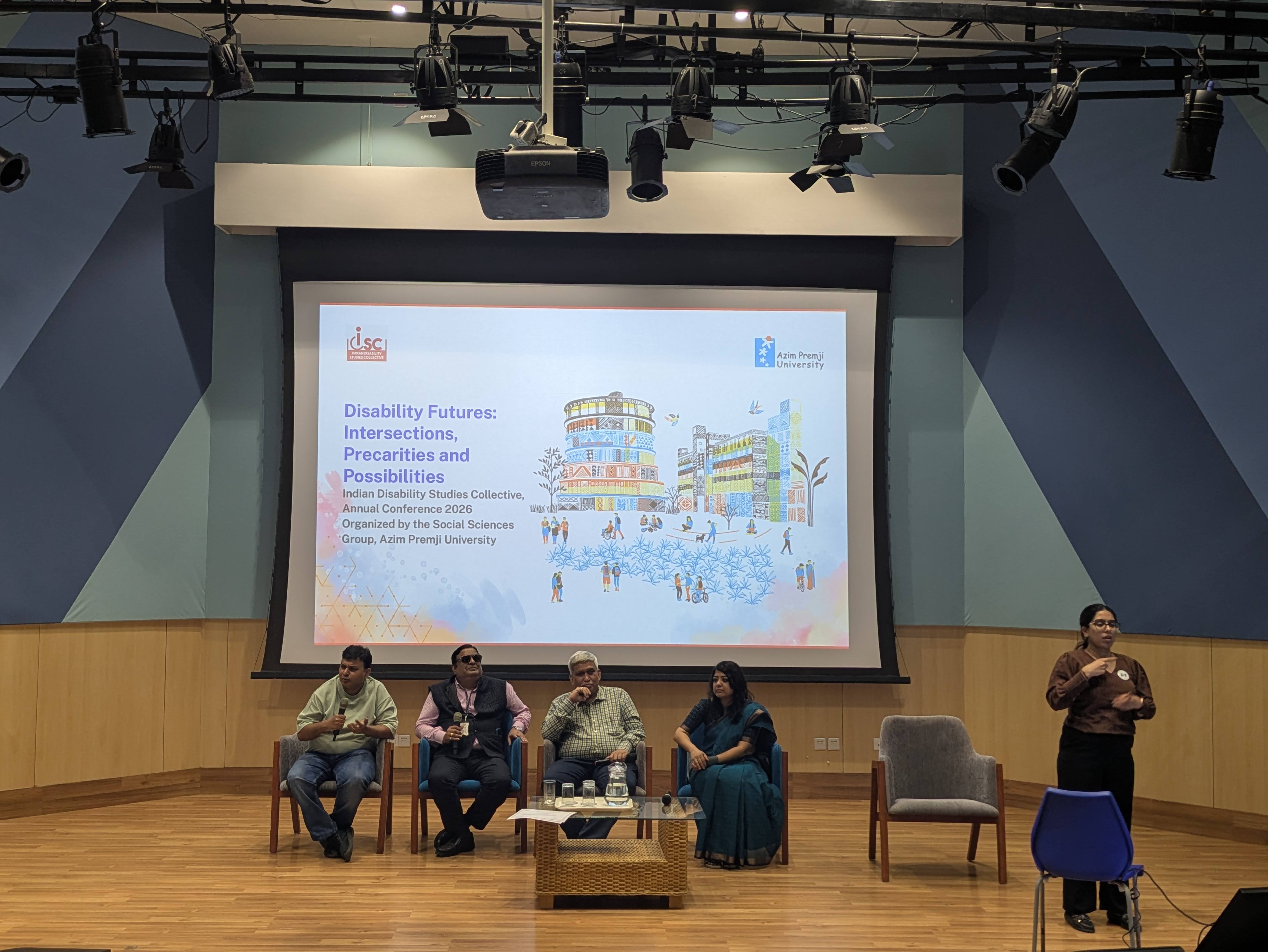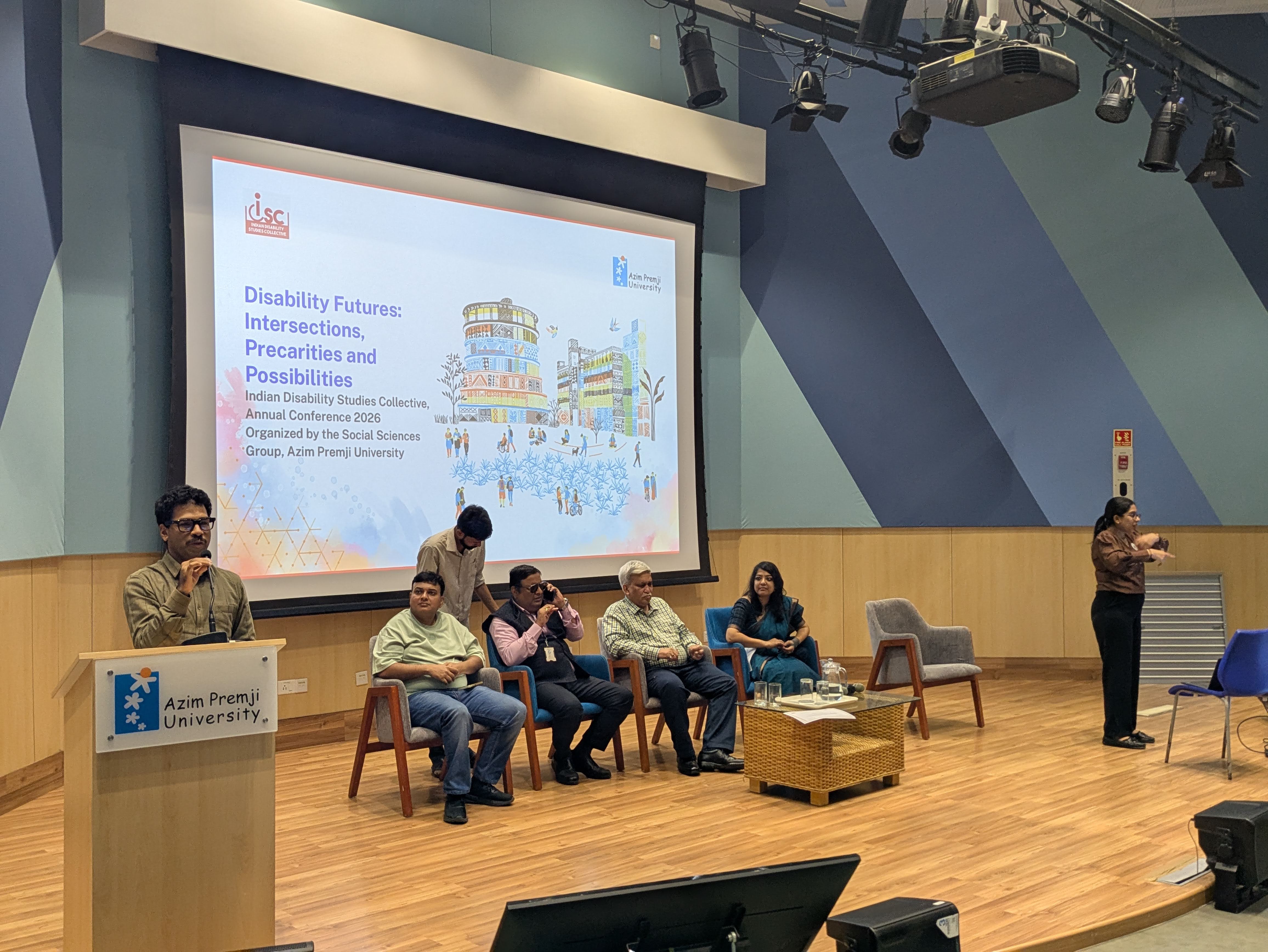
About the Event
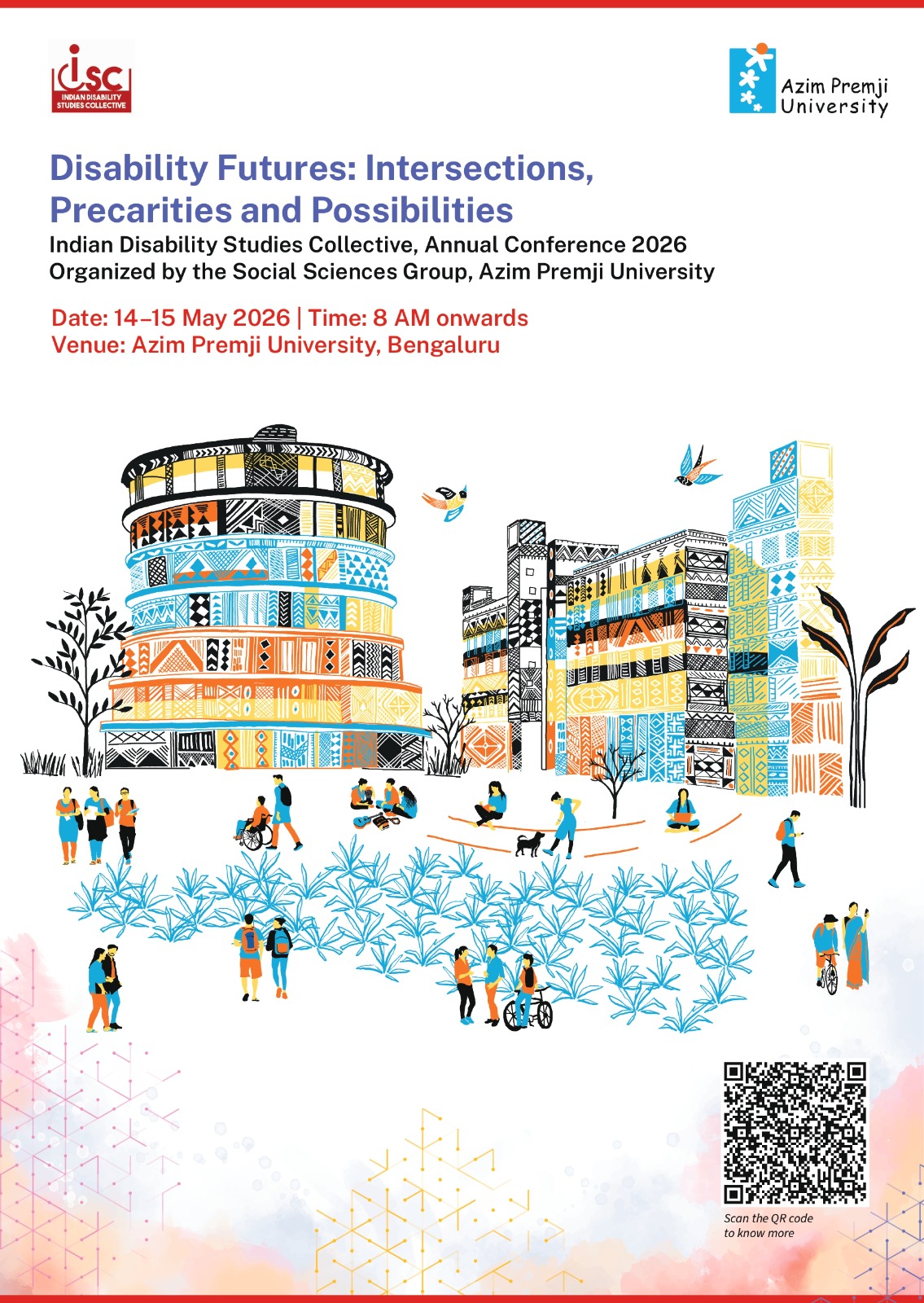
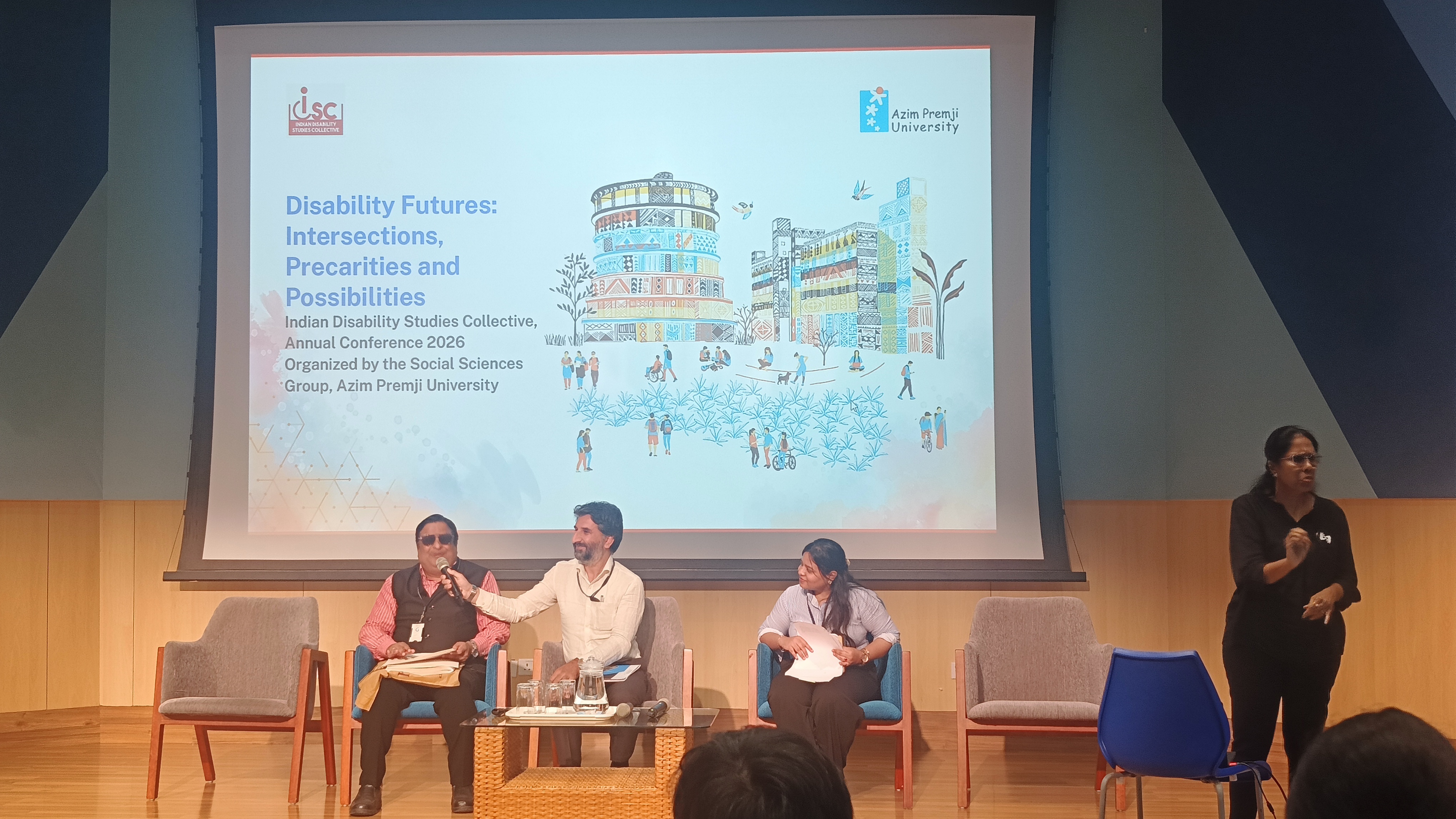
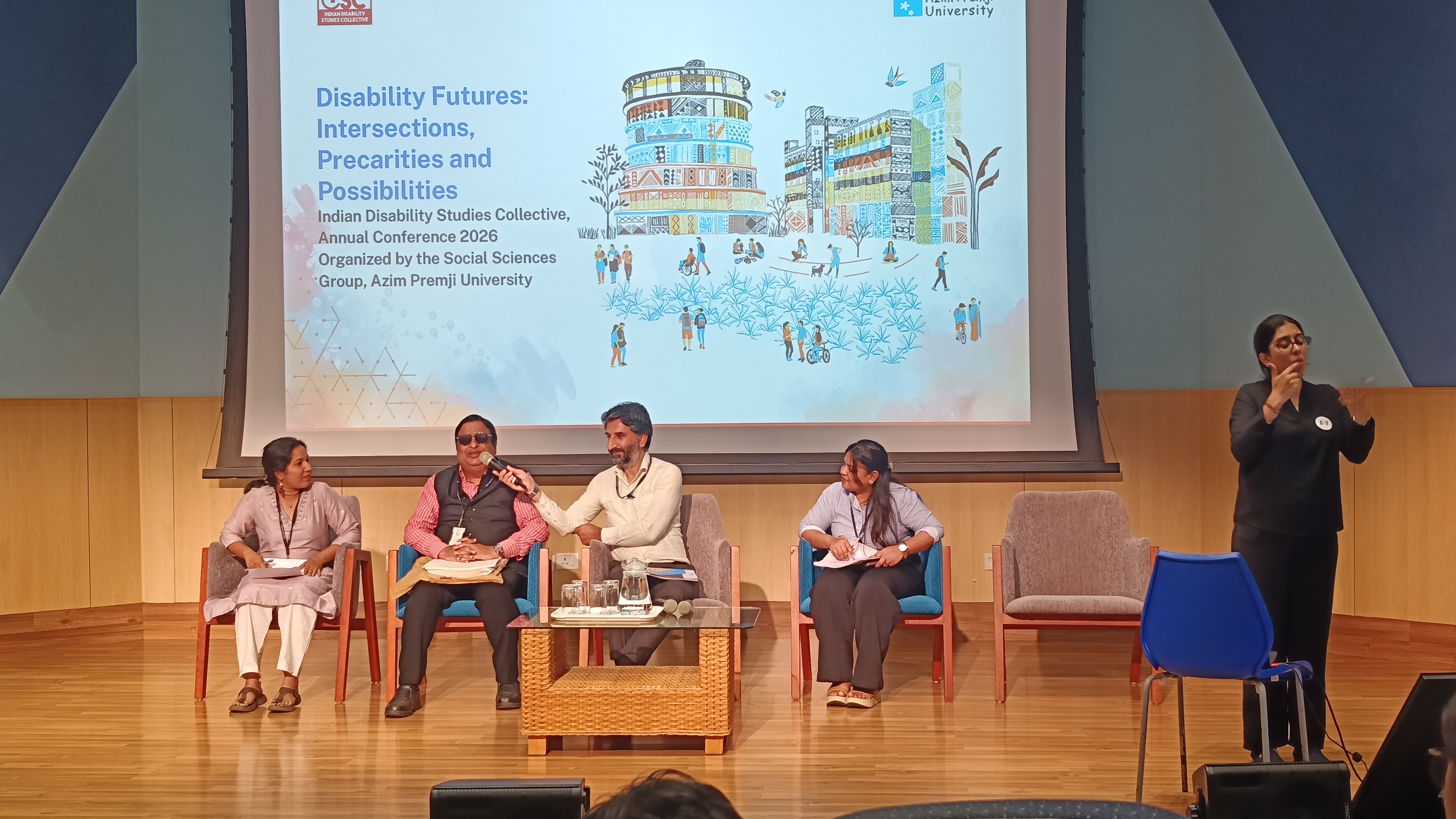
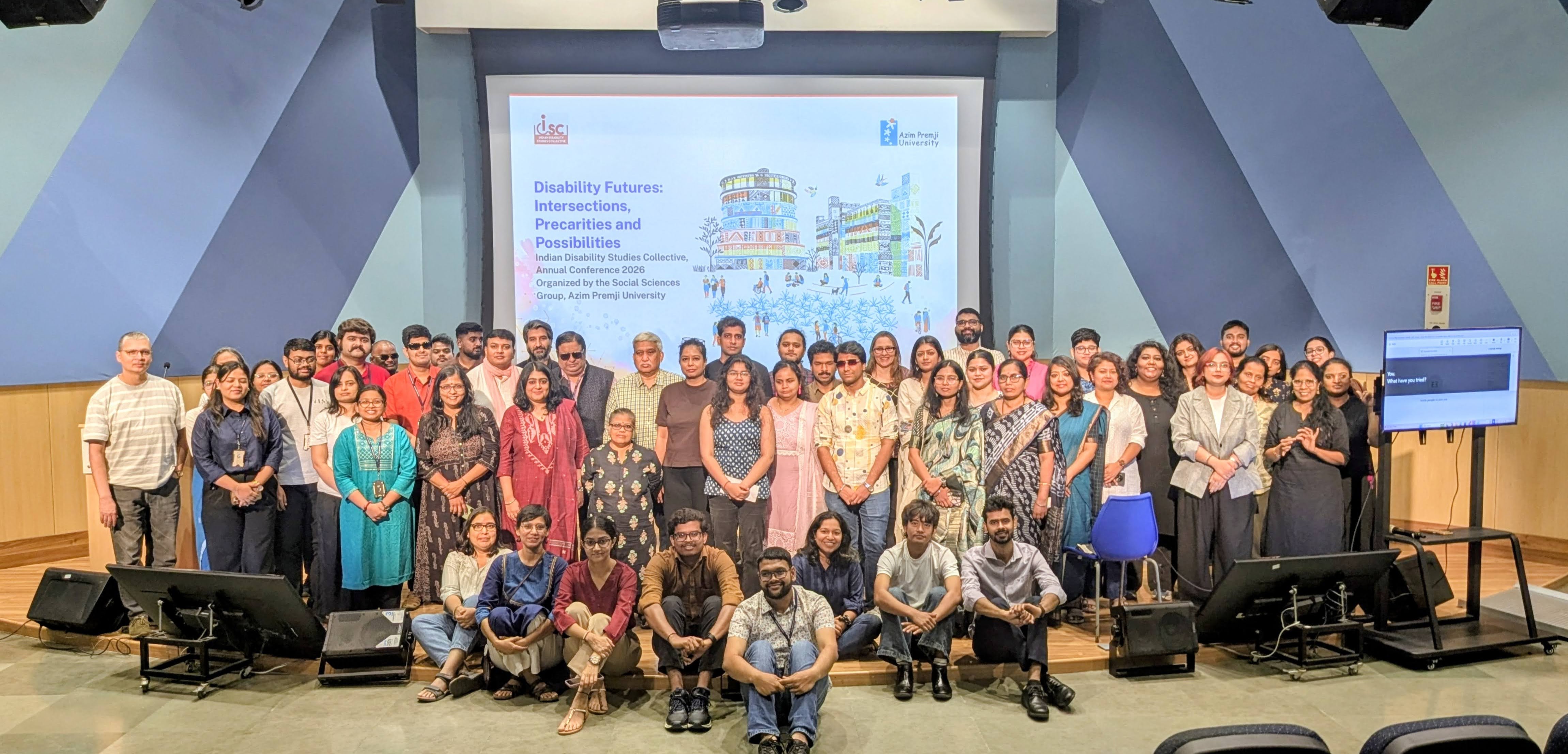
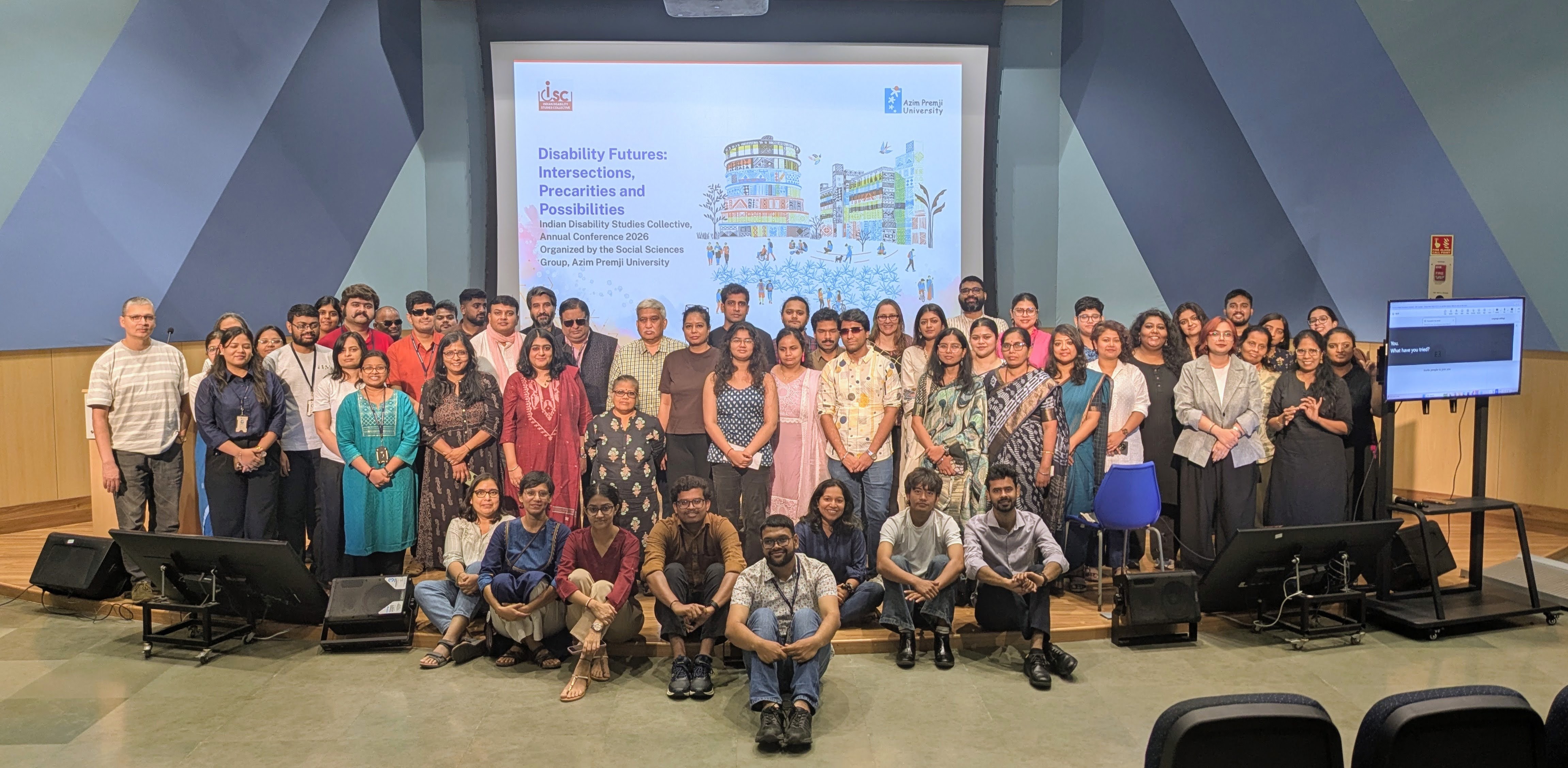
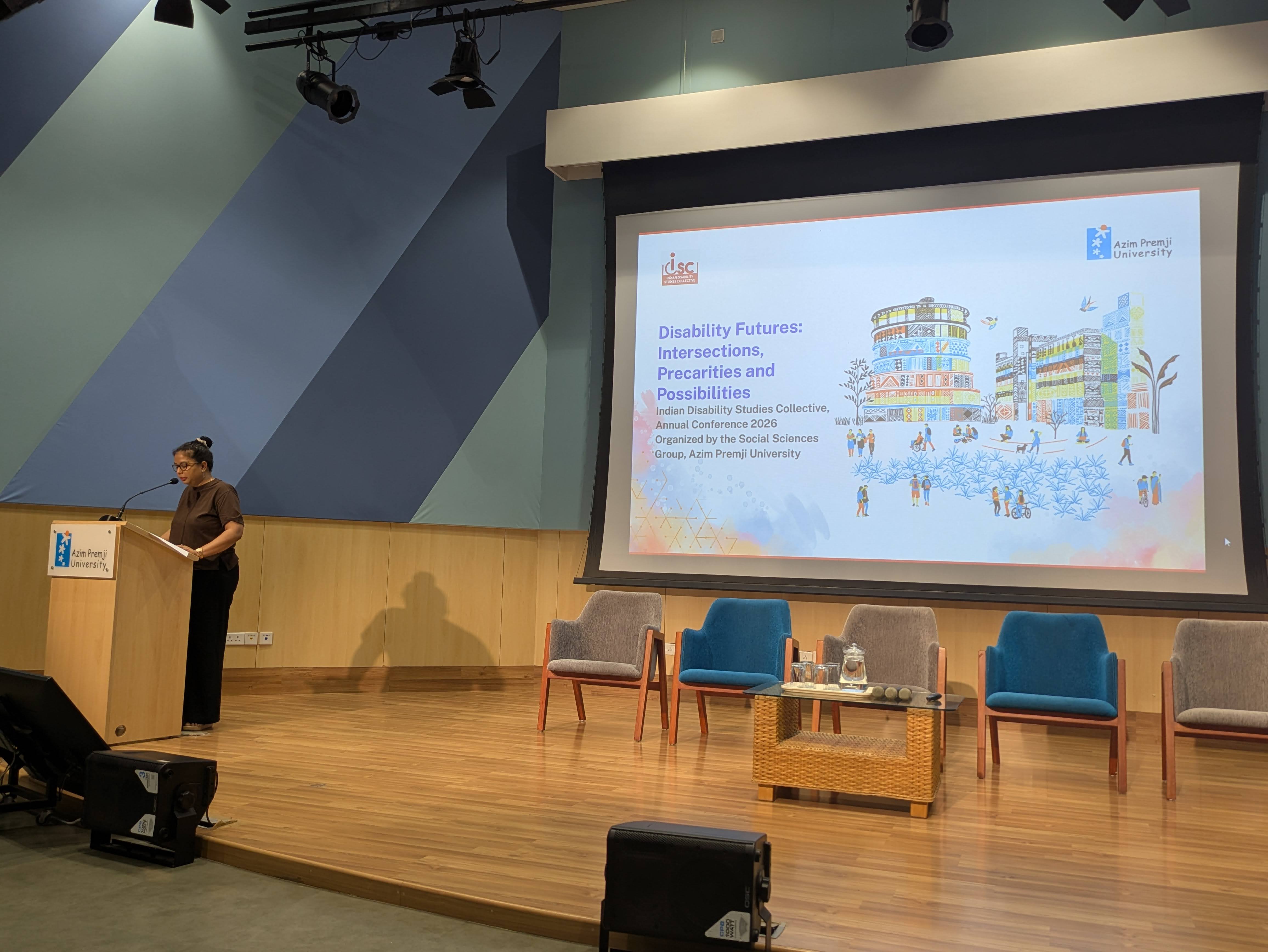
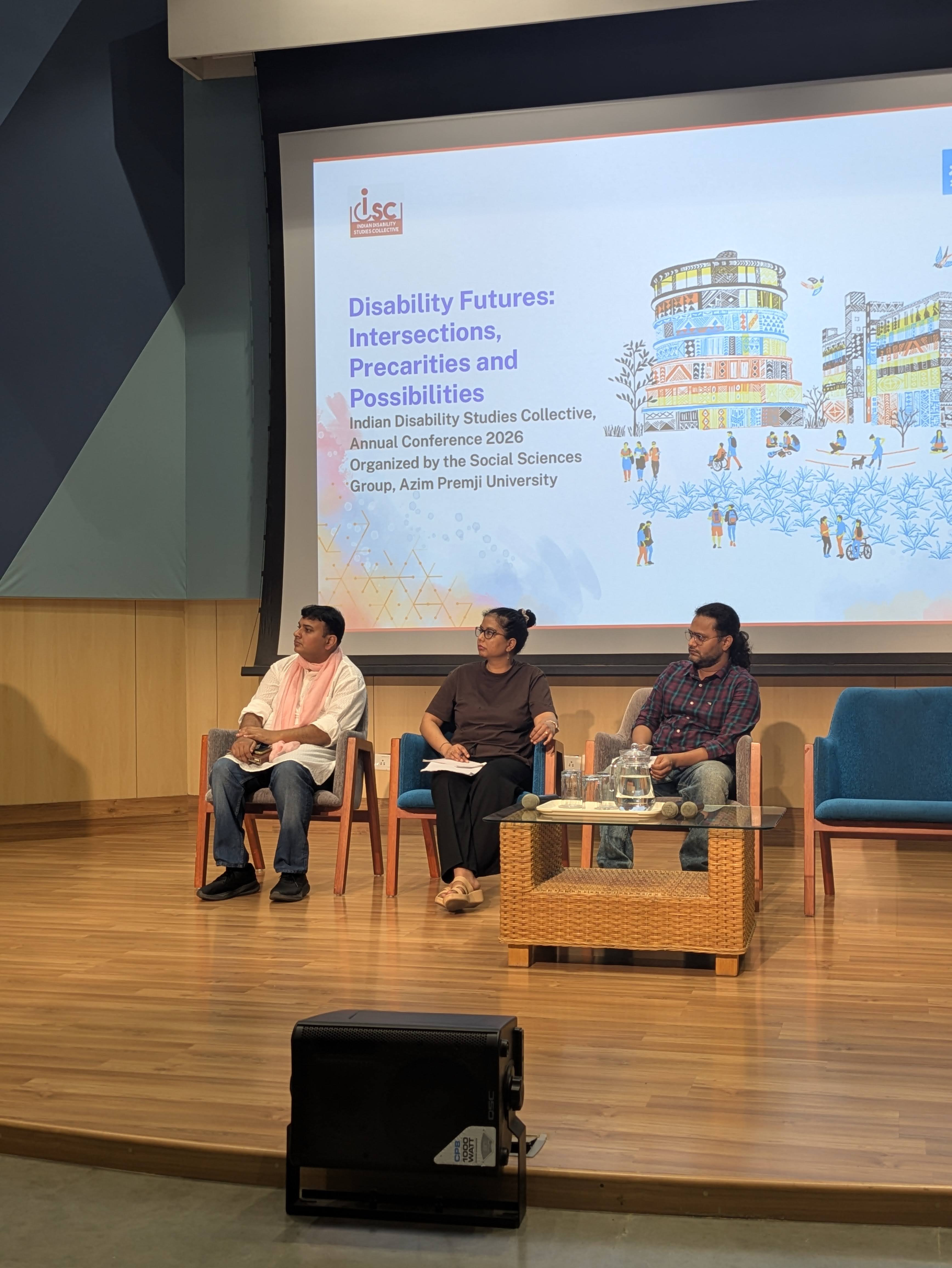
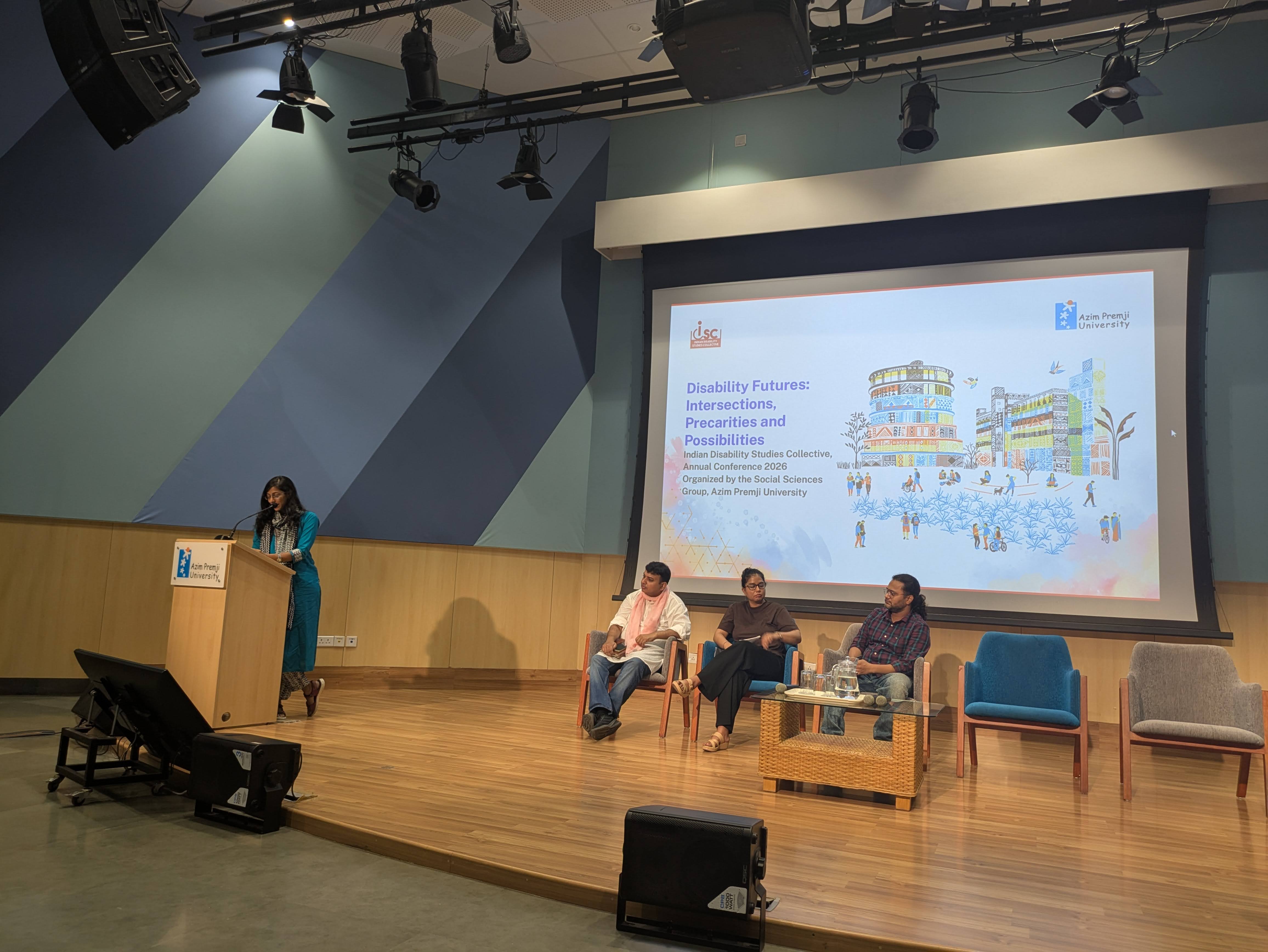
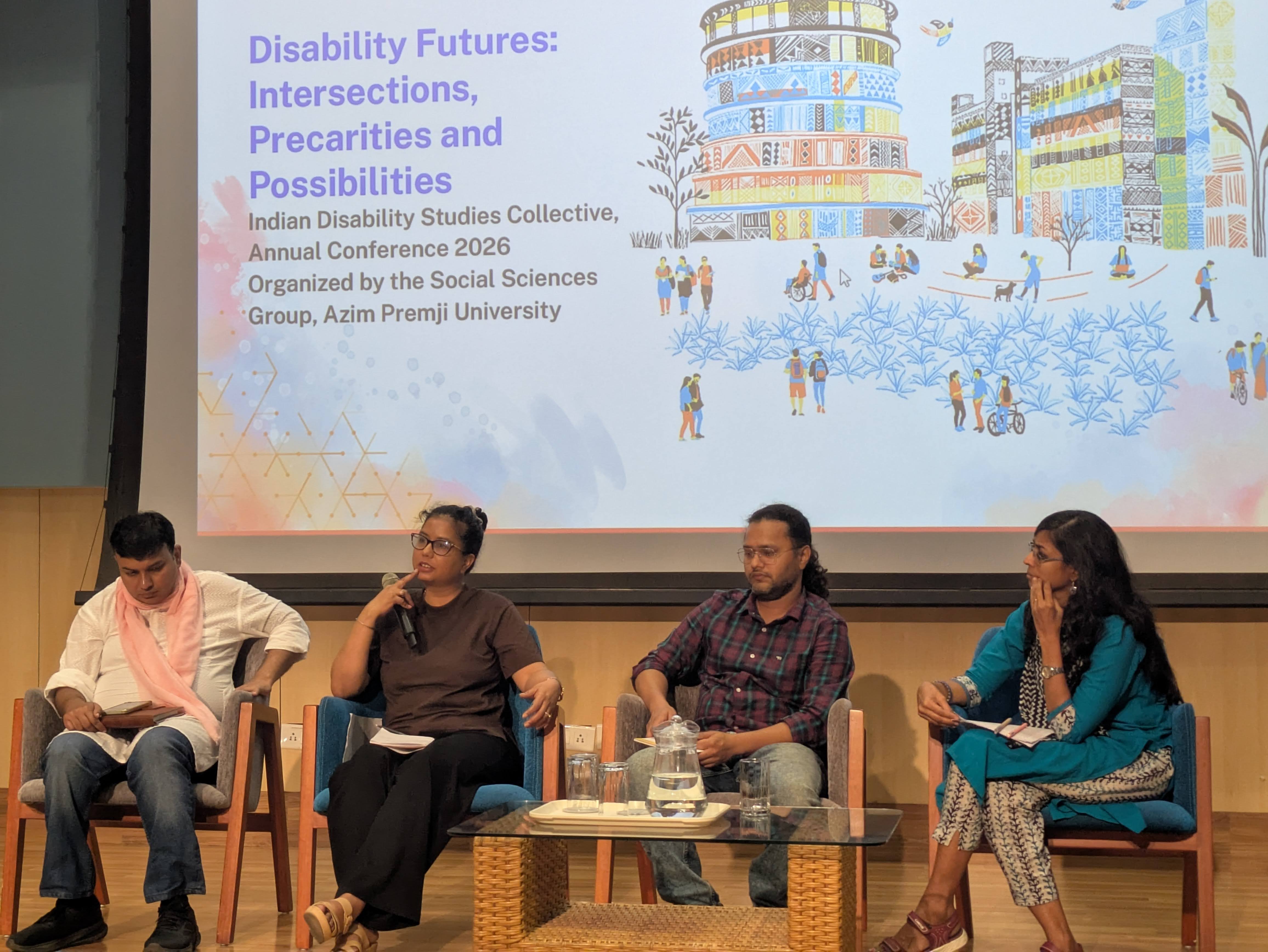
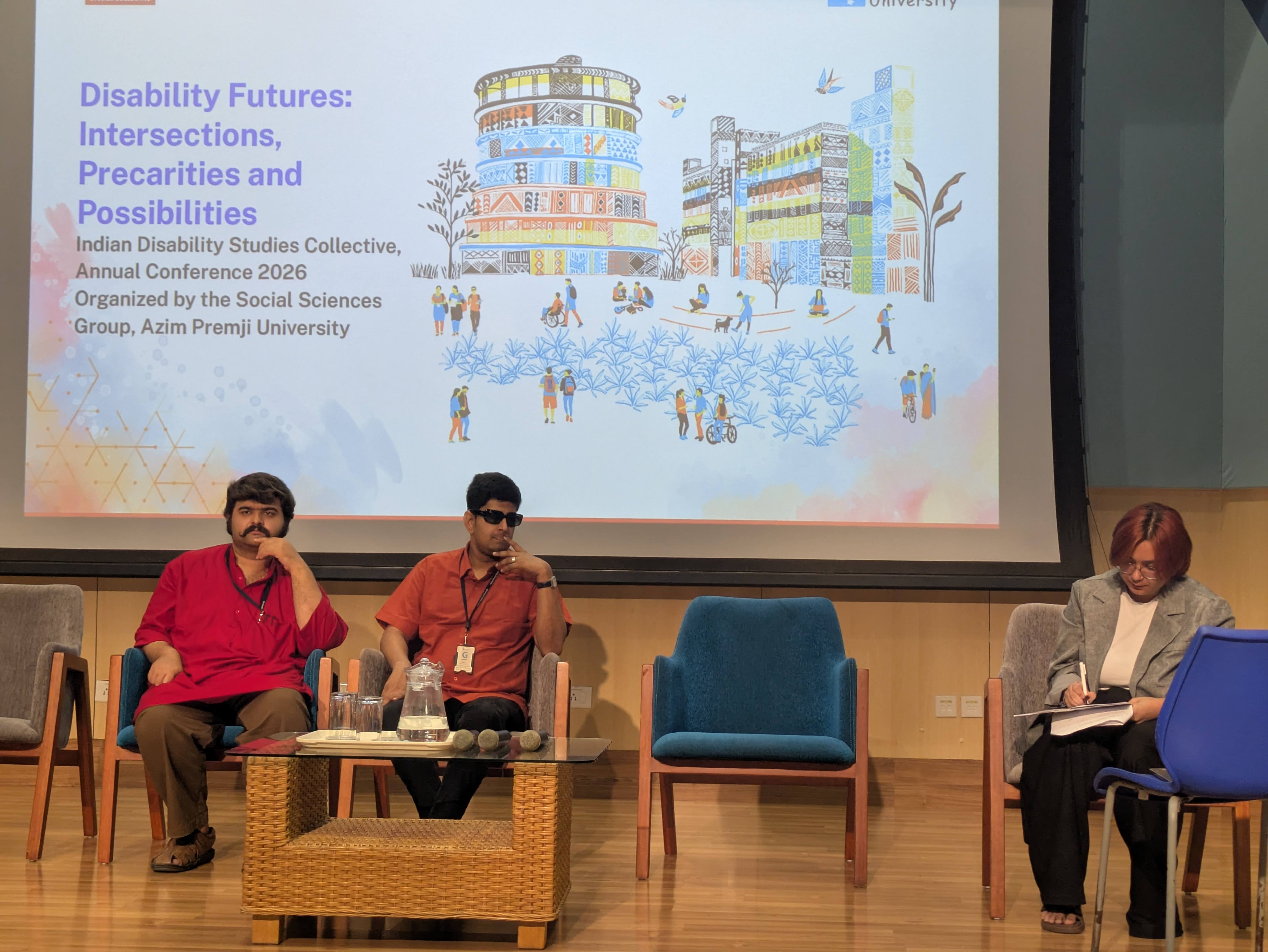
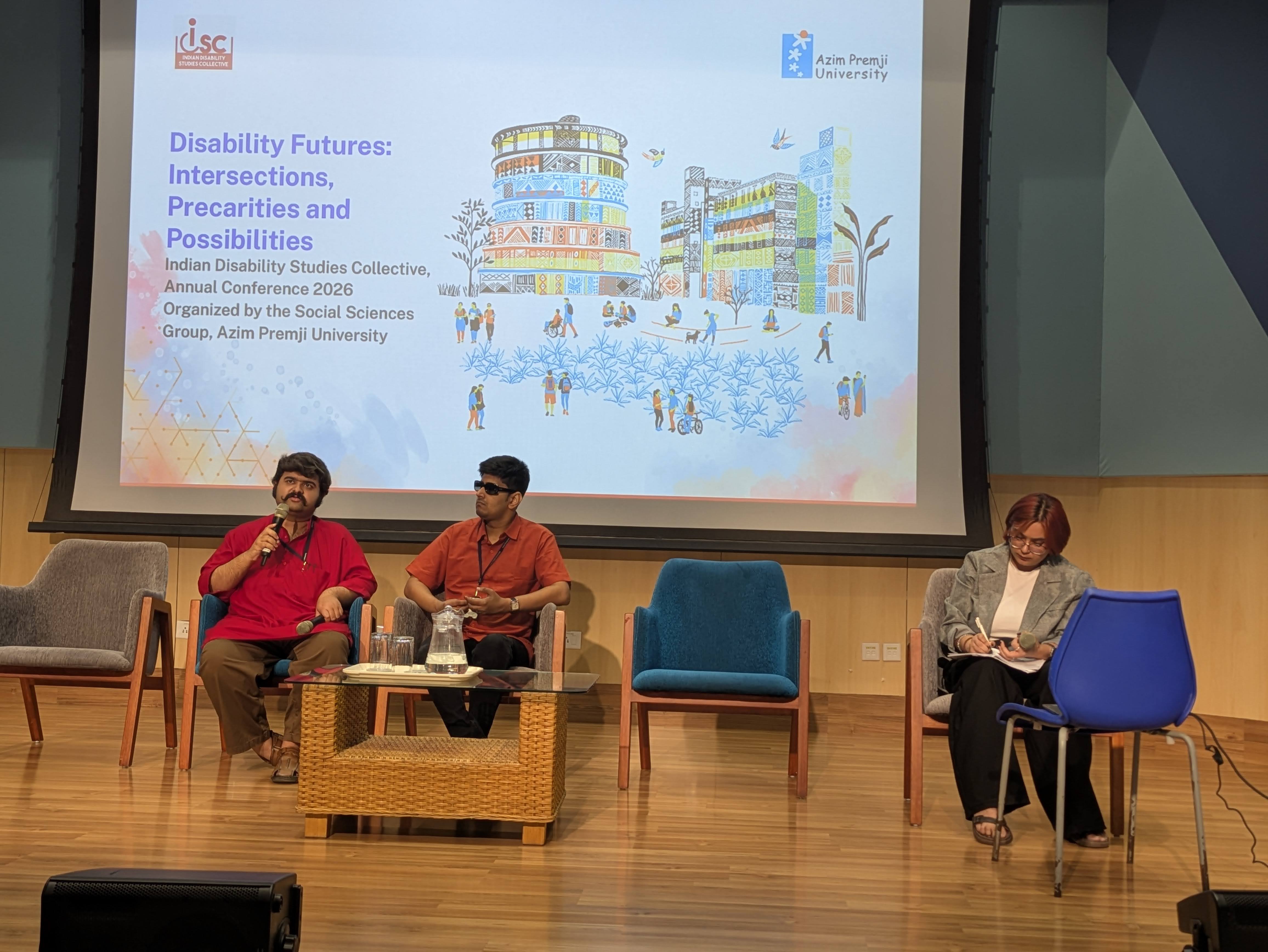
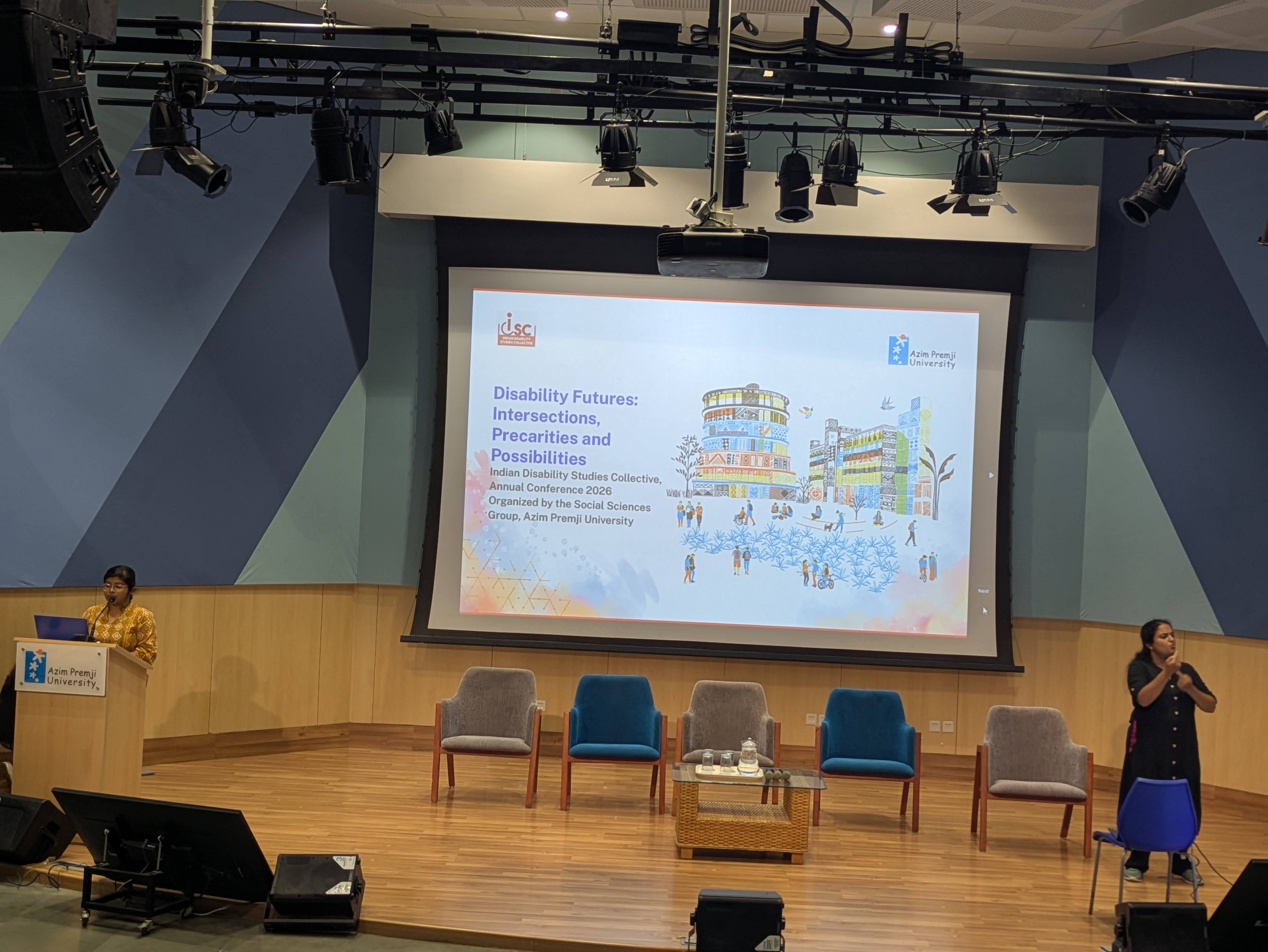
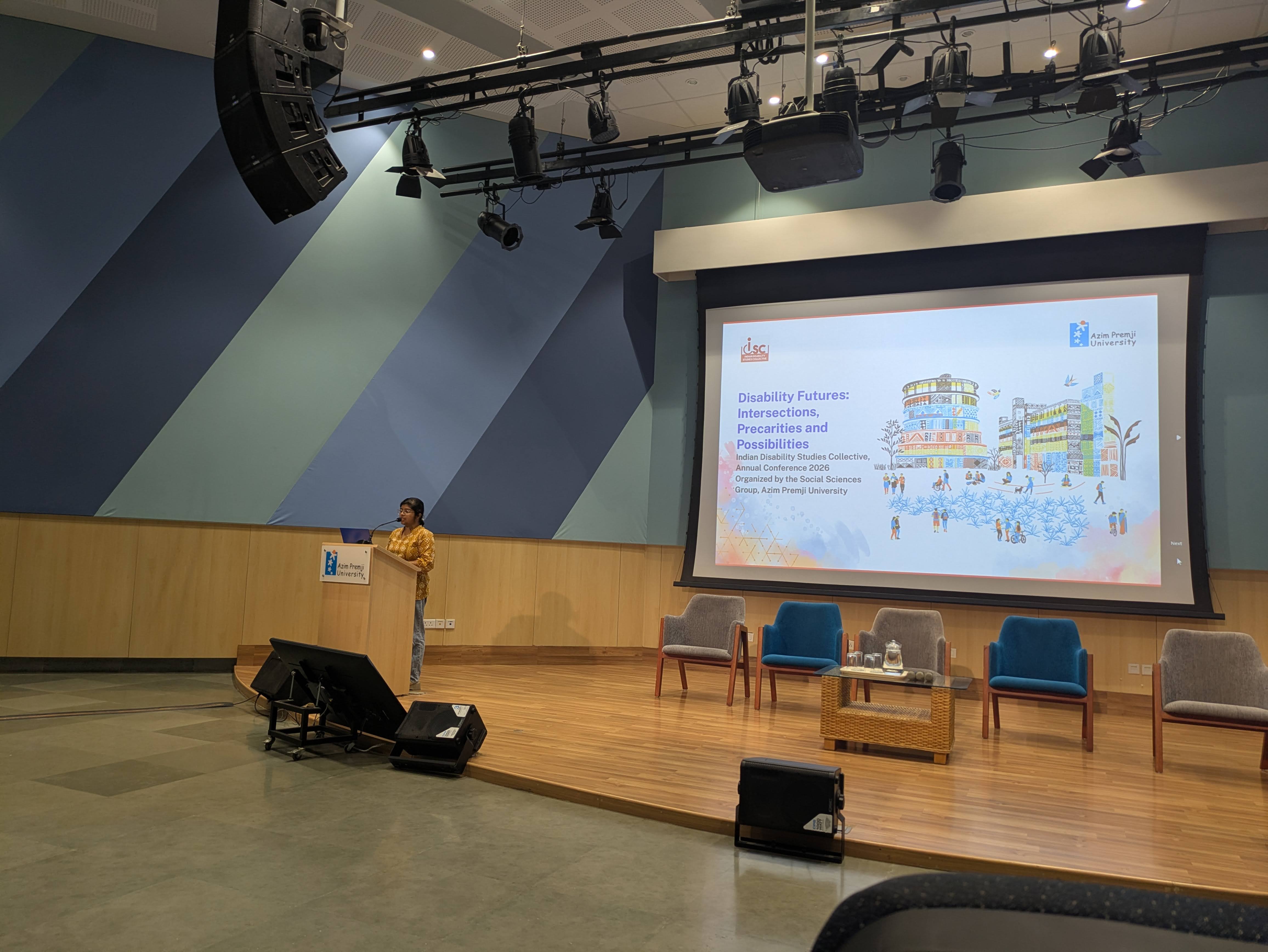
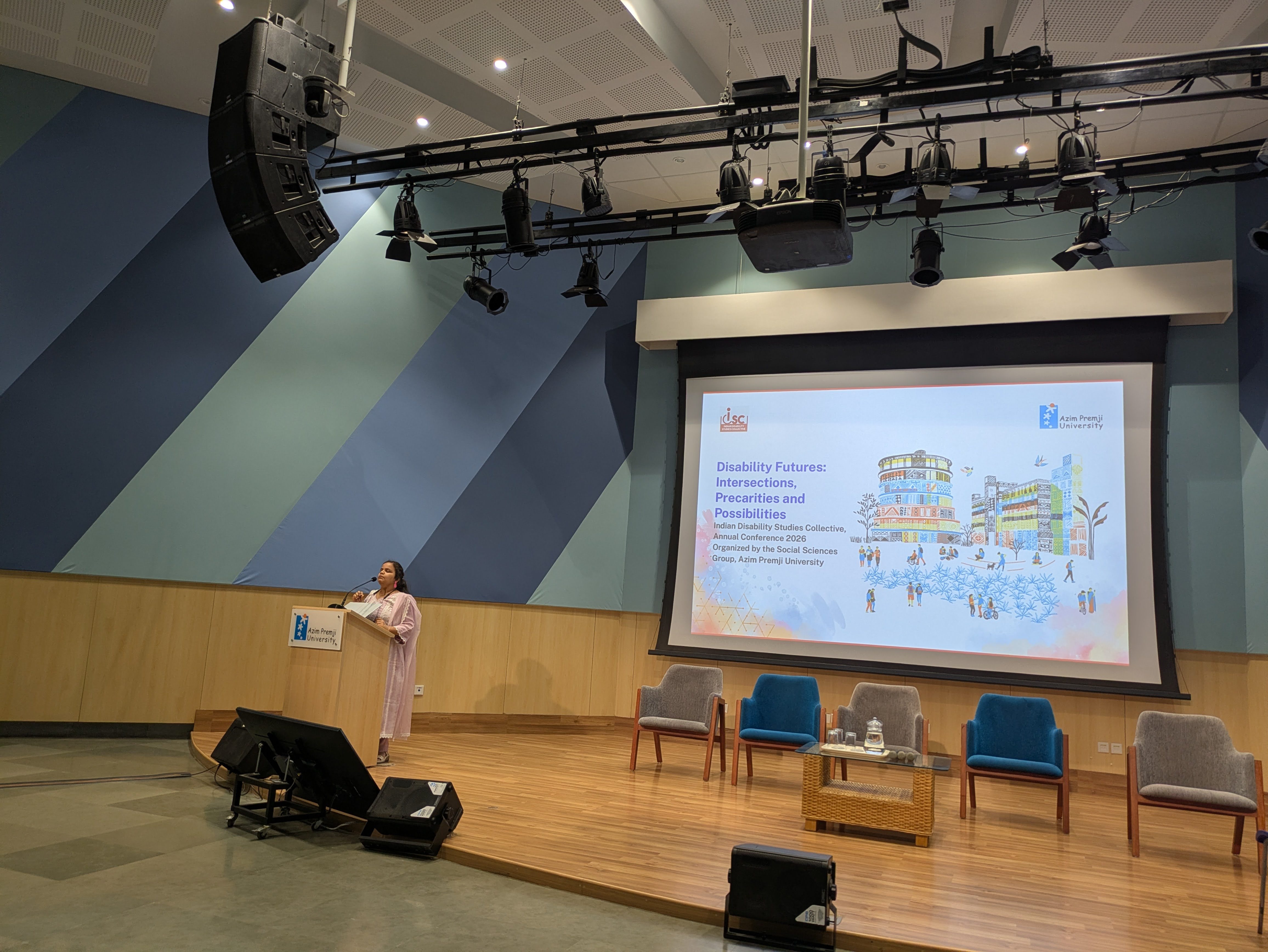
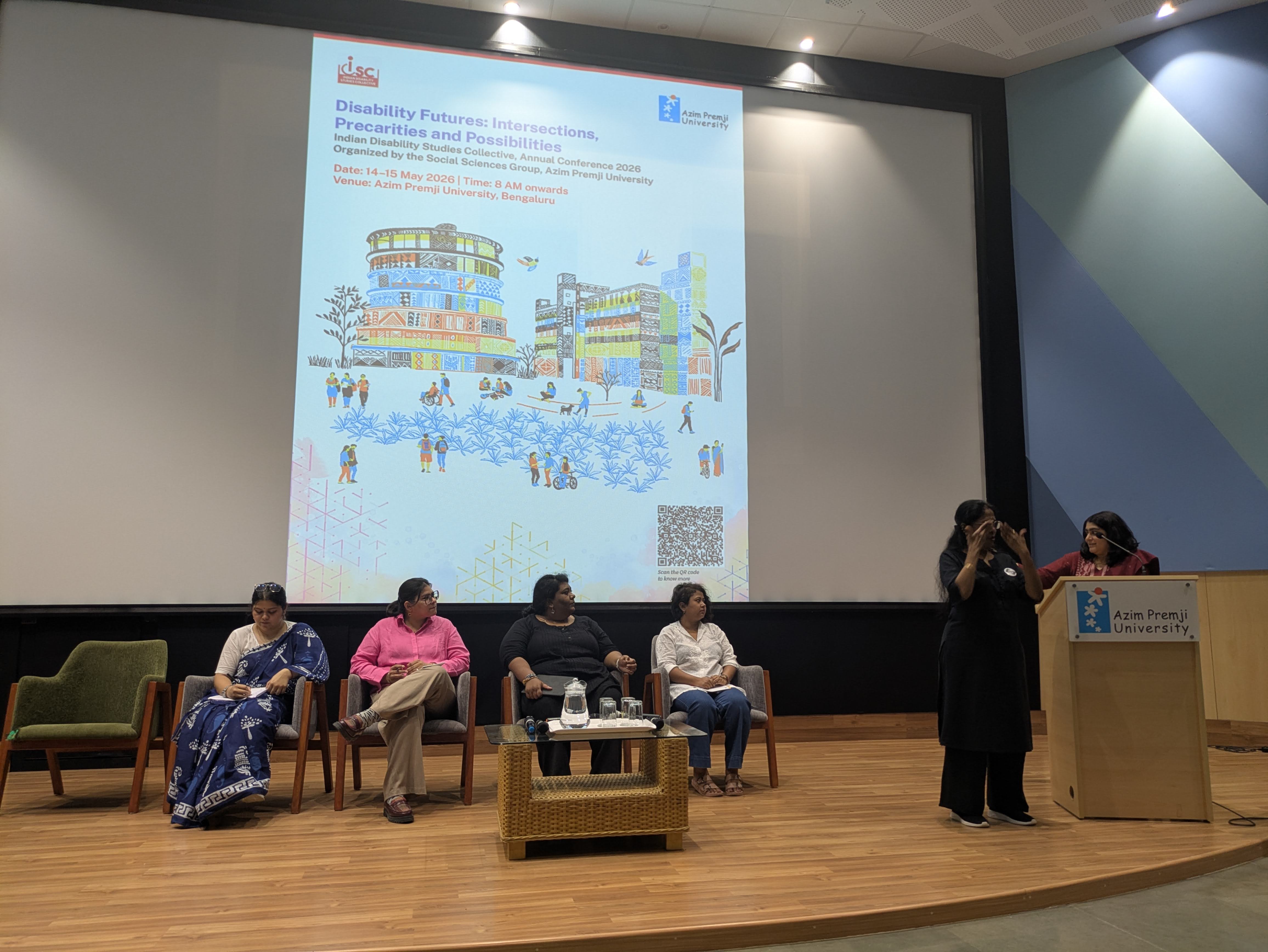
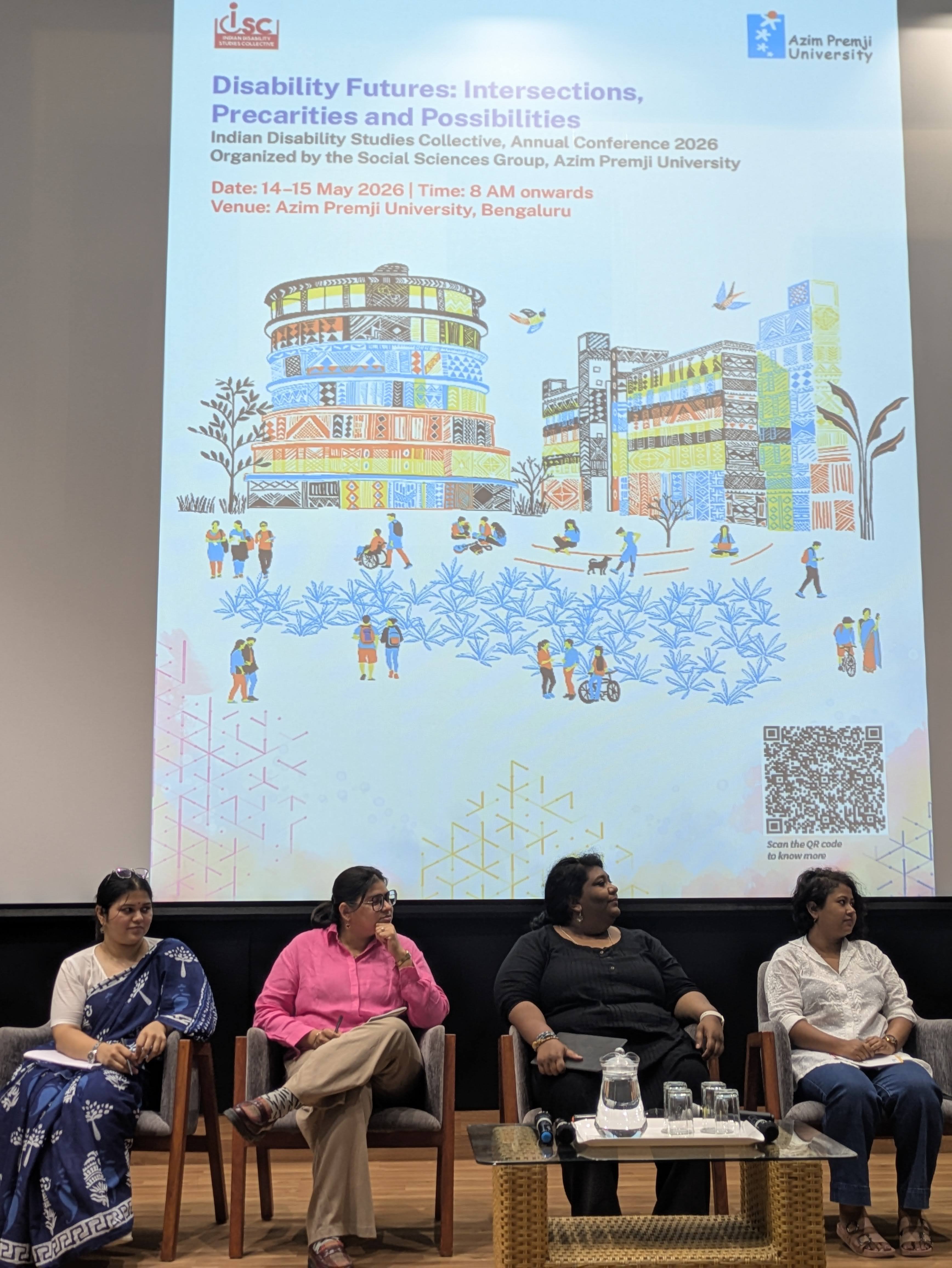
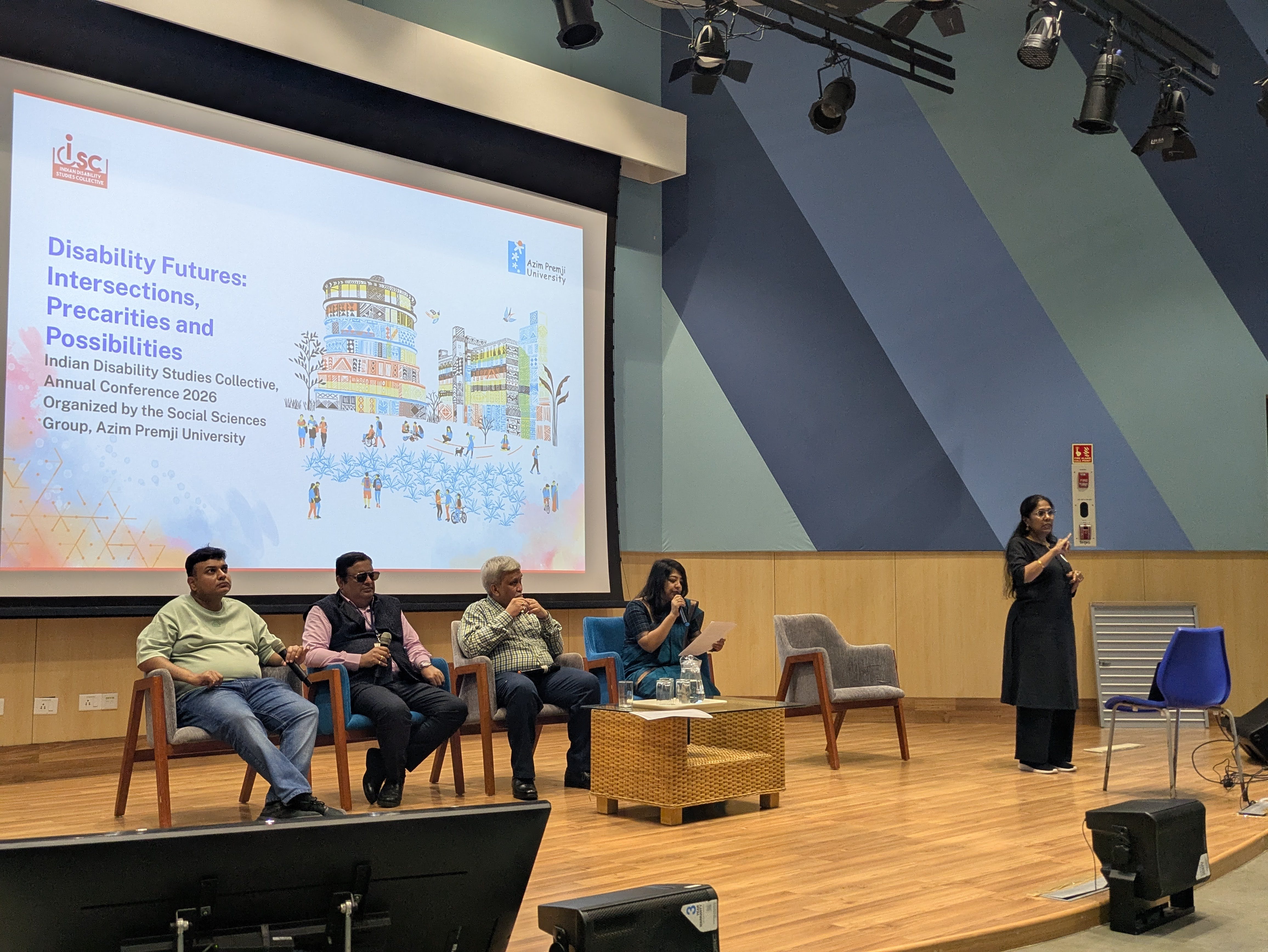
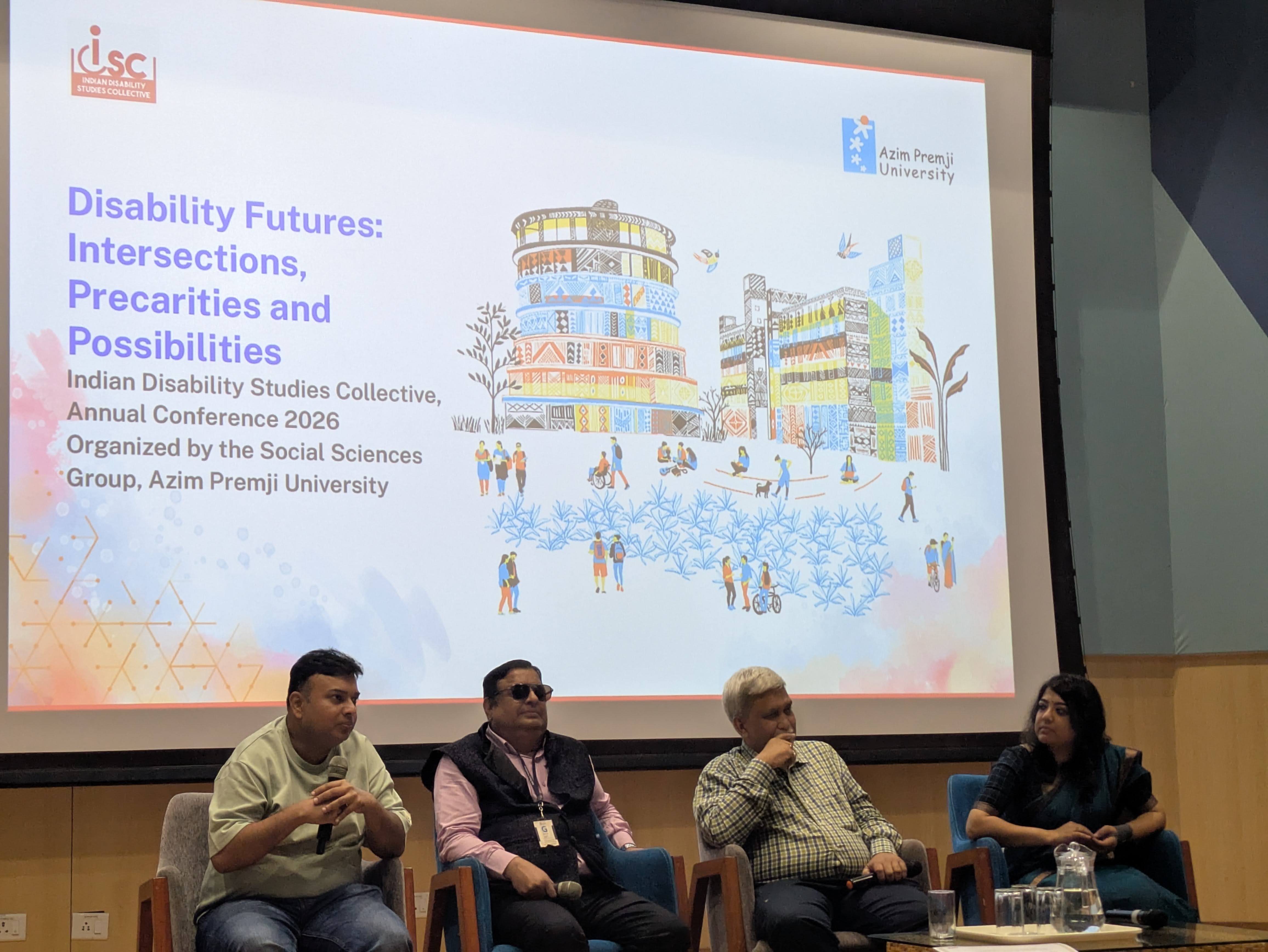
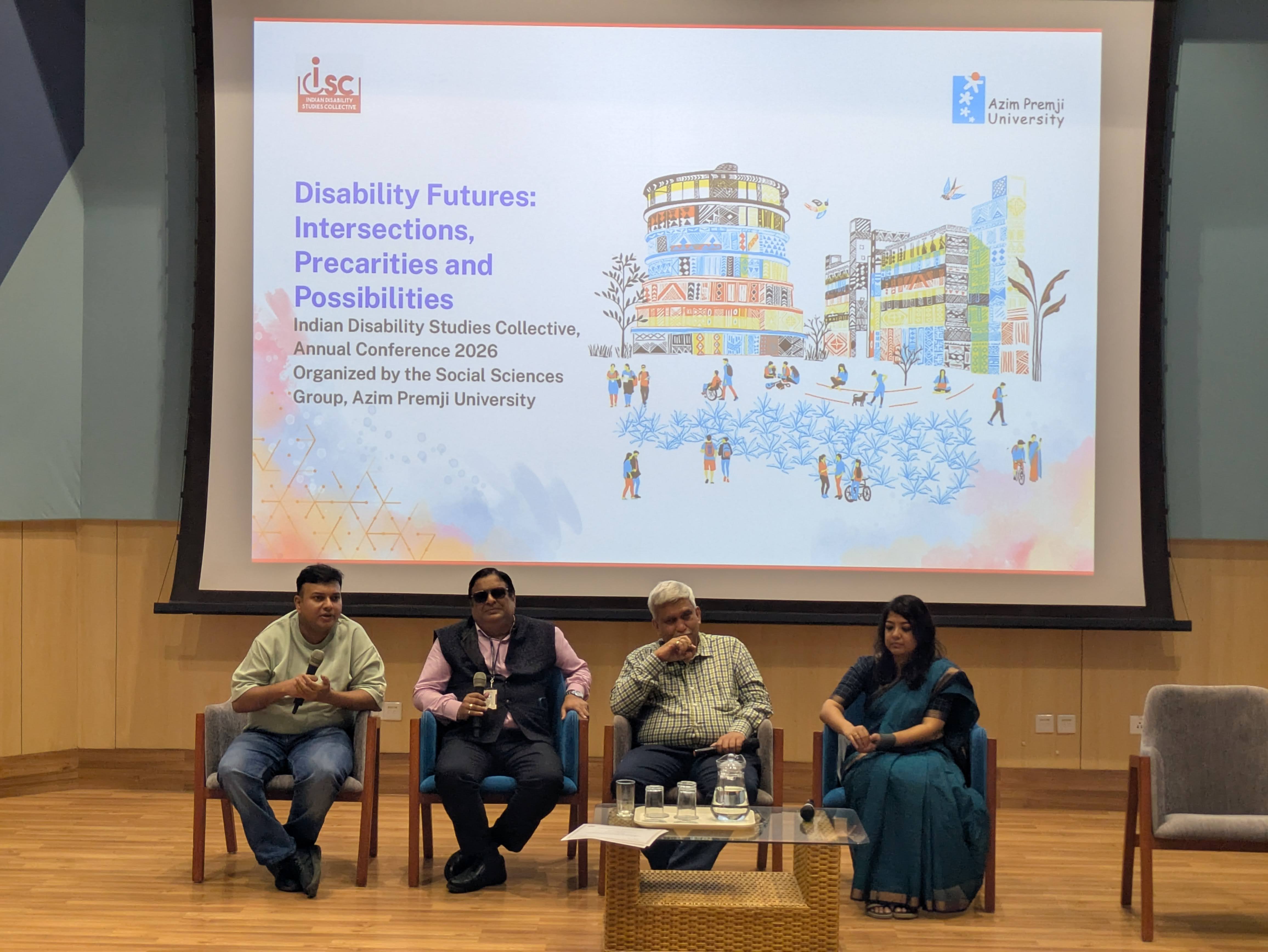
Disability Futures: Intersections, Precarities, and Possibilities
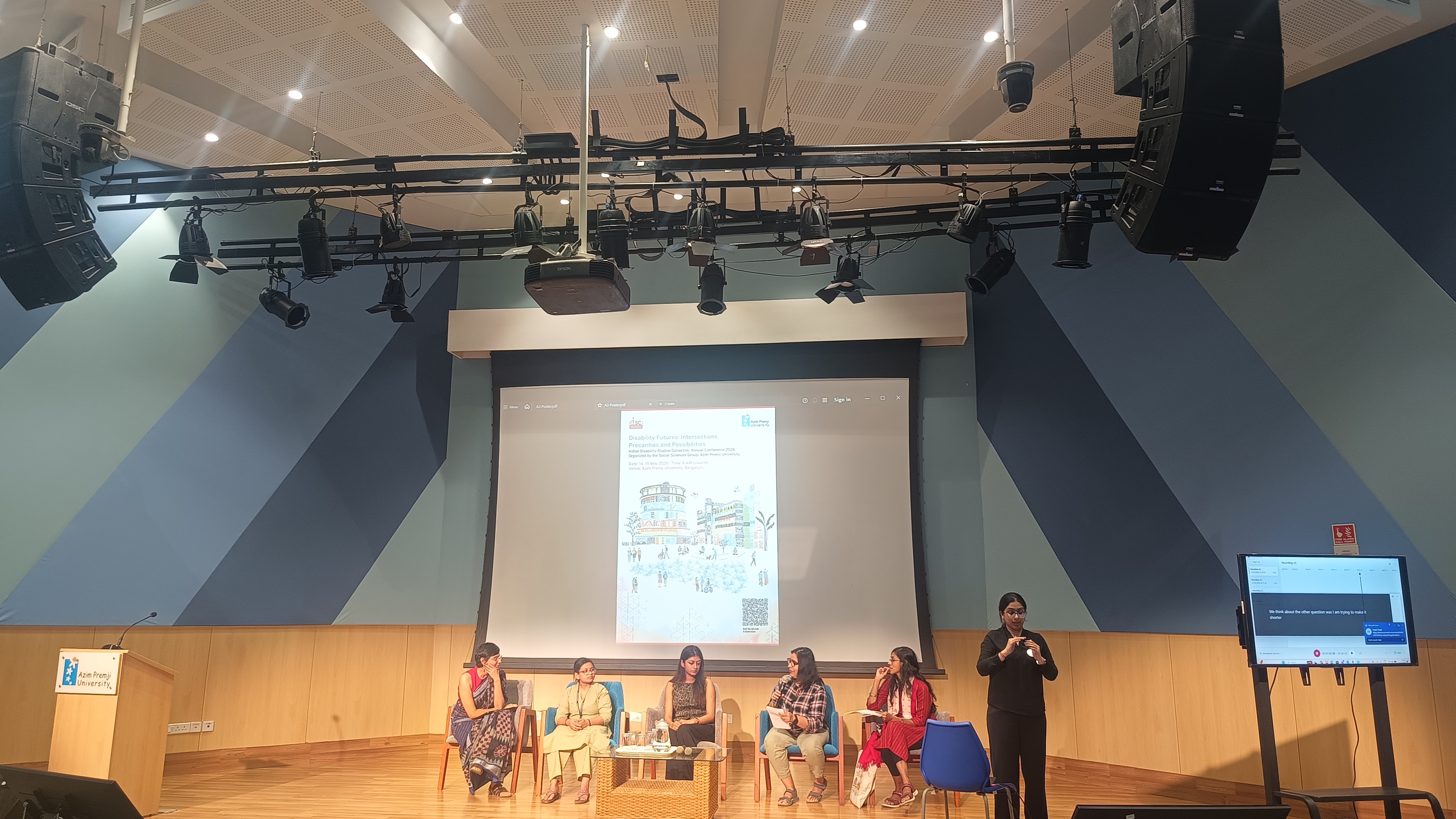
In the recent decades in India, disability has emerged as a critical axis of social and political engagement. This paradigmatic shift from approaching disability through a medical model to the social model has meant that disability activism and advocacy in India has increasingly focused on highlighting the pervasive barriers constructed by ableist social structures. Furthermore, building upon and moving beyond the social model, critical disability scholarship and activism is increasingly focusing on a political/relational model of disability which resists the rigid, essentialist separation of ‘impairment’ and ‘disability’ and instead recognises ways in which the meanings and consequences of impairment are contingent upon diverse socio-political and historical contexts (Kafer 2013). The theoretical realignment away from the medical model has played a significant role in catalysing both legal and socio-cultural reforms across India. From India’s ratification of the United Nations Convention on the Rights of Persons with Disabilities 2006, to the passage of the Rights of Persons with Disabilities Act, 2016, to ongoing struggles around accessibility, education, healthcare, employment, data on people with disabilities, questions of disability have become increasingly significant to broader debates on social justice. Nonetheless, despite these developments, persons with disabilities, particularly from historically oppressed and marginalised backgrounds, continue to encounter systemic barriers, stigma and cultural marginalisation (Ghosh 2015, 2016). Inclusion remains both a promise and a challenge, calling for sustained dialogue across disciplines. In this context, this conference aims to unpack different visions of disability futurity. In a 2012 essay, feminist critical disability studies scholar Rosemarie Garland-Thomson stated that disability remains unexpected in our world because we do not imagine disabled people as having tractable futures. Although this statement retains resonance, disability futures has emerged as a critical framework which has opened up new horizons for thinking about disability not as a deficit or condition to be overcome, but as a generative site for envisioning alternative worlds, socio-political structures, and forms of belonging (Kafer 2013). Central to this reconceptualisation are questions regarding futurity itself: who gets to have one, whose futures are imagined, whose body/minds are included in narrations of progress—has long haunted disability scholarship and activism. In recent years, with the rise of crip theory, decolonial approaches, intersectional analysis and transformative technological innovation, the horizon of disability futures has expanded dramatically, placing people with disabilities and their collective practices, desires, and knowledges at the center of social imagination. While this direction is to be lauded, it is also simultaneously important to recognise the inequitable social and material conditions under which the desire for crip futurities is produced, circulated, and celebrated (Erevelles 2011). Furthermore, it is equally important to recognise the debilitating condition rendered by social, economic, and political processes, particularly under conditions of colonialism, capitalism, and warfare while looking ahead at disability futures (Puar, 2017). This Disability Futures: Intersections, Precarities, and Possibilities conference aims to critically weave together sets of overlapping concerns while interrogating new visions for a crip future. Realising the vision for the disability futures involves intersectional justice that requires reimagining policies, practices, and social imaginaries so that the diverse experiences of marginalised groups—across caste, class, gender as they intersect with disability—become central to visions of equity and belonging. This conference aims to create a space to think about disability futurity by bringing together scholars doing interdisciplinary work from Humanities and Social Sciences to critically unpack a range of themes
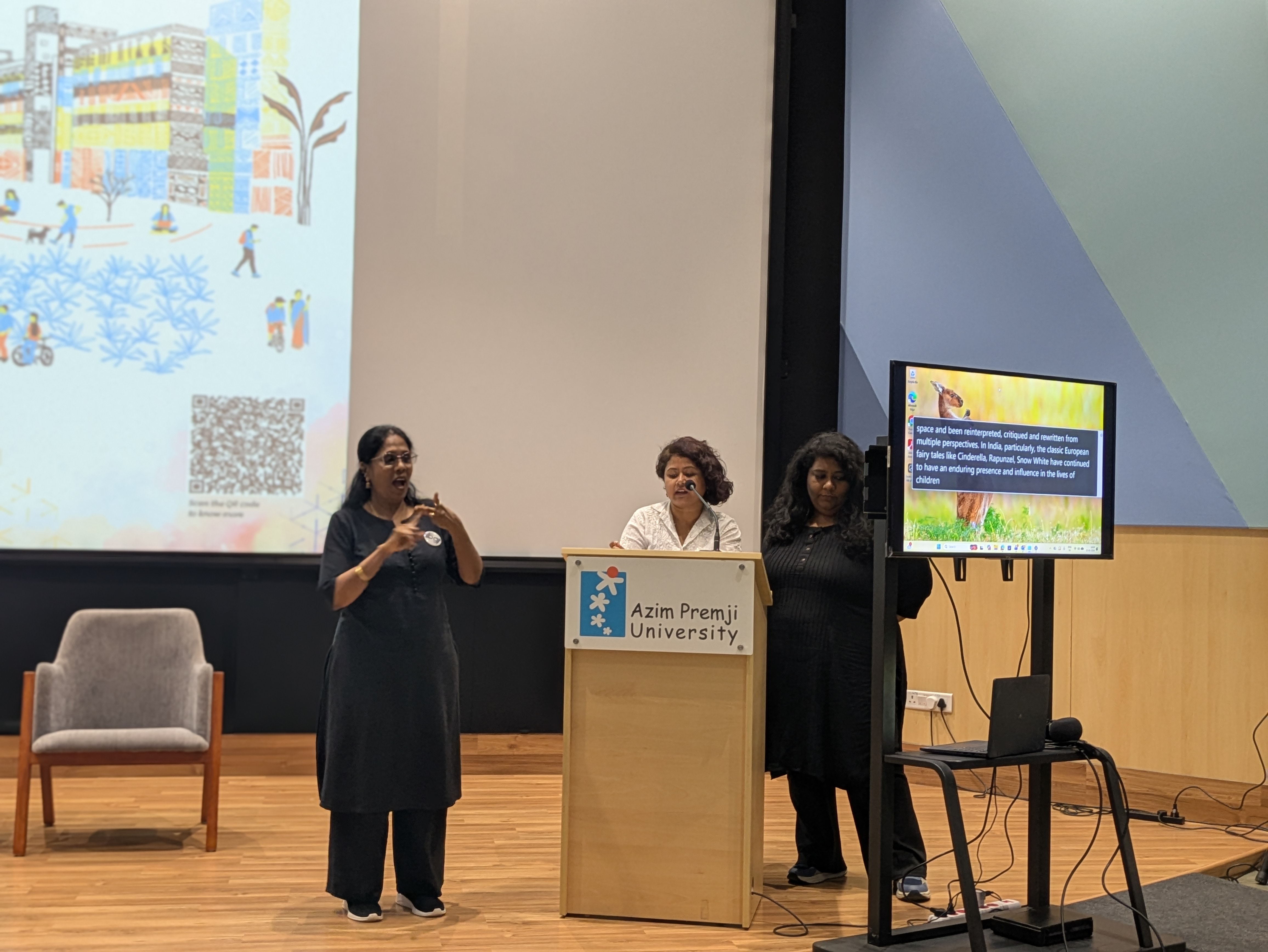
Photo Gallery